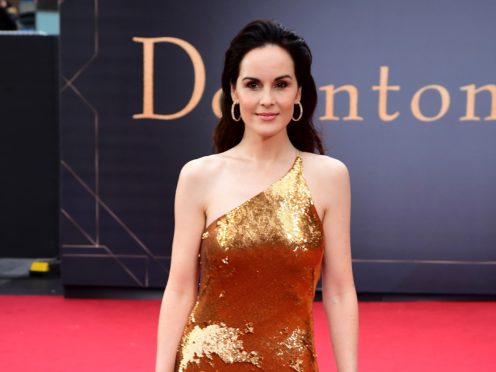
Michelle Dockery has said she had forgotten her accent when she reprised the role of Lady Mary for the Downton Abbey film, and had to watch old episodes of the show to refresh her memory.
Arriving at the world premiere of the movie in London, she told the PA news agency: “I have been playing different American roles and other accents and there was a part of me that was like, ‘Oh, how does she speak again? I can’t remember!’
“So I had to watch a few reruns of Downton to get back into it, but once you’re in the costume and started doing scenes, it came back to us like that.”
It will sparkle. It will gleam. But is Downton Abbey ready for a royal visit? #DowntonAbbeyFilm, in cinemas September 13. pic.twitter.com/XP44qXRzD3
— Universal PicturesUK (@universaluk) September 5, 2019
She added: “I am as big a fan of the show as anyone, so watching those old reruns was great.
“We all look so different I think, we are like babies, me and the girls are so little, but the whole thing is really nostalgic, reminiscing about the show. It was wonderful.”
The film arrives in cinemas more than three years after the hit ITV drama concluded with a Christmas special in 2015, and will see the return of original cast members including Dame Maggie Smith, Hugh Bonneville, Dockery, Laura Carmichael, Allen Leech and Jim Carter.
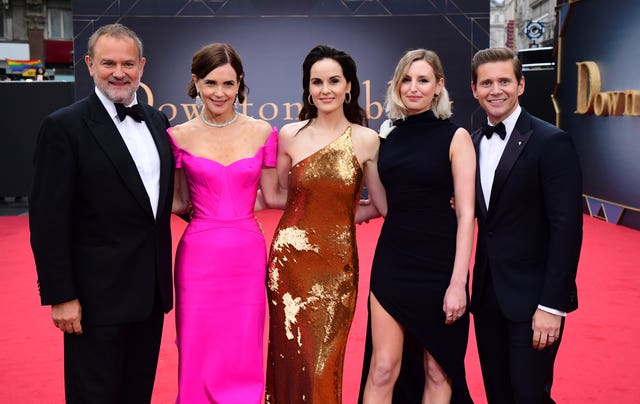
Rumours about a film began flying shortly after the final episode and Dockery said she always believed it would become a reality.
She said: “I thought it was inevitable actually, by the end of the series it felt like we have to do it, and people kept asking us, and I don’t think they were going to stop until we actually did it.
“And it’s wonderful that it did, and tonight feels like such a celebration of the film and everything, the last almost ten years of our lives.”
Carmichael, who reprises her role as Lady Edith added: “We were so happy with our finale and really said all our goodbyes, but every interview we did about other projects they would go ‘What is happening with this Downton movie, when it is coming?’

“So it was always on everyone’s mind, it was something that we were hoping to get the chance to revisit, so I’m thrilled.”
She described her first day back on set as “totally giddy” and said: “There was a huge moment of going ‘Hang on a minute, but it’s a movie so how do you do this?’ But thankfully we let go of that quite quickly.”
Allen Leech, who reprises his role of Branson, said the film offered him the chance to find resolution for his character that the show had not given.
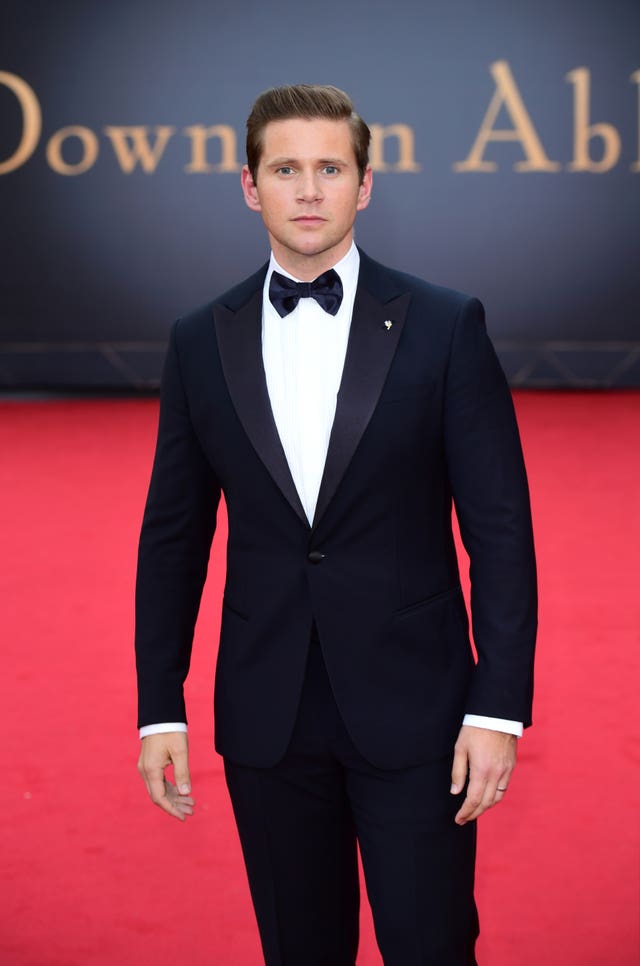
He said: “There was something at the end of the series, I will be honest, I sort of felt he didn’t get an ending, and I was actually lucky that he didn’t, because he very much comes to the fore in the movie and that was something that I really didn’t expect.
“As Hugh Bonneville (who returns as the Earl of Grantham) said: ‘My god love, you’ve got more plots than an allotment!’
“While I was very lucky with the storyline, Julian (Fellowes, who created the show and wrote the film) is a bit of a genius.
“There are 22 plots, 22 characters, and he makes them all fit and it runs beautifully in the two-hour running time.”
Downton Abbey is released in UK cinemas on September 13.